
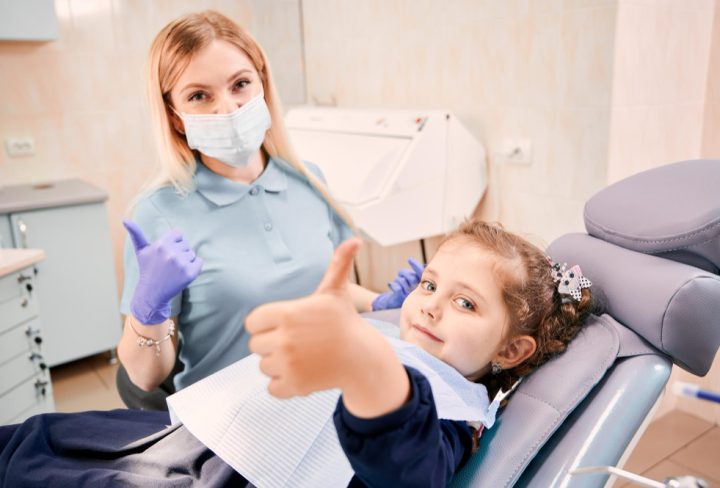
Many parents wonder, “When should your child’s first dental visit be?” Early dental care is important for your child’s health. In fact, starting dental visits early helps prevent tooth problems and builds good habits. Healthy teeth are key for eating, speaking, and smiling. Let’s explore why your child’s first dentist appointment matters and how you can make it a positive experience.
Why Early Dental Visits Matter
Early dental visits help spot problems before they get worse. For example, dentists can find cavities or signs of tooth decay early. This means your child can get help before pain or bigger issues start. Also, regular visits teach your child that dental care is normal and not scary. According to the American Dental Association (ADA), early childhood oral health sets the stage for a healthy smile later in life.
Recommended Age for the First Dental Visit
So, when should your child’s first dental visit be? The ADA and the American Academy of Pediatric Dentistry (AAPD) recommend that children see a dentist by their first birthday. Another way to remember is to schedule the visit within six months after the first tooth appears. Even if your child has only one tooth, it is time for a checkup. Early visits help your child get used to the dental office and the dentist.
What to Expect During the First Visit
During your child’s first dentist appointment, the visit is usually short and gentle. The dentist will:
Most of the time, your child will sit on your lap. The dentist will use simple tools and explain each step. This helps your child feel safe and calm.
How to Prepare Your Child
Preparing your child for their first dental visit can make things easier. First, talk about the visit in a positive way. You can read books or watch videos about going to the dentist. Before the appointment, let your child know what to expect. Bring a favorite toy or blanket for comfort. Try to schedule the visit when your child is well-rested and not hungry. If you stay calm, your child is more likely to feel calm too.
Tips for Maintaining Your Child’s Oral Health
Good oral care starts at home. Here are some simple tips for keeping your child’s teeth healthy:
Frequently Asked Questions
Is it really necessary to visit the dentist so early?
Yes, early visits help prevent problems and teach good habits. The CDC and ADA both recommend early dental care.
What if my child is scared?
It is normal for children to feel nervous. However, most dentists are trained to help kids feel safe. Bringing a comfort item and talking positively about the visit can help.
How often should my child see the dentist?
Most children should visit the dentist every six months. Your dentist may suggest a different schedule based on your child’s needs.
What if my child only has a few teeth?
Even one tooth needs care. Early visits help spot any problems and give you tips for cleaning your child’s mouth.
For more information, you can visit the American Dental Association or the Centers for Disease Control and Prevention websites.
Schedule your child’s first dental visit with a qualified dentist for personalized advice.