
What Are Dental Braces?
Dental braces are devices that help straighten teeth and fix bite problems. Many people use them to improve their smile and oral health. Today, you can choose from several teeth straightening options. For example, clear aligners and traditional braces are two popular choices. Both are part of orthodontic treatment, but they work in different ways. Understanding your options can help you make the best decision for your needs.
How Do Traditional Braces Work?
Traditional braces use metal brackets and wires to move teeth into place. First, a dentist attaches small brackets to each tooth. Then, a wire connects the brackets. Over time, the dentist tightens the wire to guide teeth into the right position. Usually, you visit your orthodontist every few weeks for adjustments. Because they are fixed to your teeth, you cannot remove them until treatment ends.
What Are Clear Aligners?
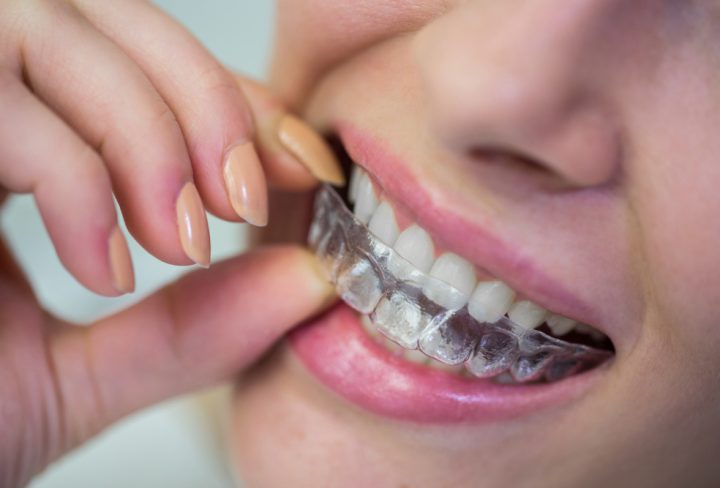
Clear aligners are see-through trays made from plastic. You wear them over your teeth to gently move them into place. Unlike traditional braces, you can remove clear aligners when eating or brushing your teeth. Every few weeks, you switch to a new set of aligners. Each set moves your teeth a little more. Many people like clear aligners because they are almost invisible and easy to use.
Key Differences: Clear Aligners vs. Traditional Braces
Pros and Cons of Each Option
Traditional Braces
Clear Aligners
Who Should Consider Each Type?
Choosing between clear aligners and traditional braces depends on your needs. For example, traditional braces are best for people with severe crowding or bite problems. They are also good for children and teens who may forget to wear aligners. On the other hand, clear aligners work well for mild to moderate cases. Adults and teens who want a less visible option often prefer them. However, you must be responsible and wear them as directed.
Cost Comparison and Accessibility
Cost is an important factor for many families. In most cities, traditional braces cost less than clear aligners. However, prices can vary based on your location and the complexity of your case. Some dental insurance plans may cover part of the cost. It is wise to check with your provider. In addition, more dentists now offer payment plans to make treatment easier to afford. Always ask about costs and options before starting treatment.
Tips for Choosing the Right Dental Braces
Frequently Asked Questions
In summary, both clear aligners and traditional braces can help you achieve a healthy, straight smile. Each option has its own benefits and drawbacks. Therefore, consult a qualified dentist or orthodontist for personalized advice on dental braces.