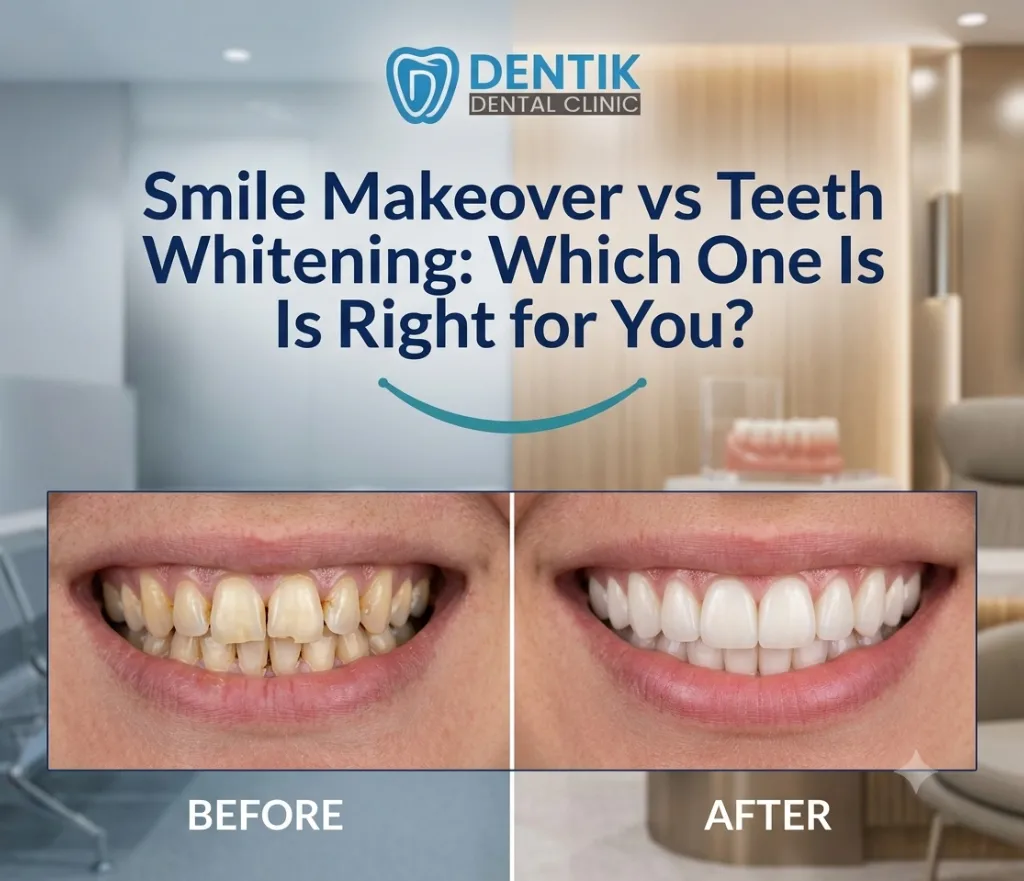
A chipped or cracked tooth can happen unexpectedly. You might bite into something hard, experience a fall, grind your teeth at night, or simply notice a small piece of enamel missing while eating.
While some minor chips may not cause immediate discomfort, a crack can sometimes extend deeper into the tooth and affect its structure. Knowing the possible causes and warning signs can help you decide when professional dental care is necessary.
If you’re searching for a dental clinic near me after noticing a chipped or cracked tooth, early evaluation can help determine the extent of the damage and the appropriate treatment.
What Causes Teeth to Chip or Crack?
Teeth are strong, but they aren’t indestructible. Several factors can weaken or damage them over time.
Common causes include:
- Biting hard foods or objects
- Accidental falls or facial injuries
- Sports-related trauma
- Teeth grinding or clenching
- Large or old dental fillings
- Untreated tooth decay
- Natural wear over time
- Sudden temperature changes
- Weakened tooth structure
The cause of a chipped or cracked tooth can influence the treatment required.
1. Biting Hard Foods
Chewing ice, hard candy, nuts, or other very hard foods can place excessive pressure on a tooth.
Even a healthy tooth can chip under sudden force, particularly if it already has an underlying weakness.
Avoid using your teeth to bite non-food objects such as:
- Pens
- Bottle caps
- Packaging
- Fingernails
- Hard plastic
These habits can increase the risk of cracks and chips.
2. Dental Trauma and Accidents
A fall, sports injury, road accident, or direct impact to the face can damage one or more teeth.
Trauma may result in:
- Small enamel chips
- Larger fractures
- Cracked teeth
- Loose teeth
- Tooth displacement
- Damage to the tooth root
Even when the tooth looks relatively normal after an accident, an internal injury may not be immediately visible.
A dental examination is recommended after significant trauma.
3. Teeth Grinding and Clenching
Repeated pressure from grinding or clenching can gradually weaken teeth.
Some people grind their teeth during sleep without realizing it. Over time, this can lead to:
- Flattened tooth surfaces
- Small cracks
- Chipped edges
- Jaw discomfort
- Increased sensitivity
If you frequently wake with jaw soreness or notice unexplained tooth damage, discuss it with your dentist.
4. Large Fillings Can Weaken a Tooth
A tooth with a large filling may have less natural tooth structure remaining to support it.
Over time, repeated chewing forces can place stress on the remaining tooth structure and increase the possibility of cracking.
Your dentist may recommend a suitable restoration, such as a crown, when additional protection is needed.
5. Tooth Decay Can Make Teeth Fragile
Untreated cavities can weaken the internal structure of a tooth.
As decay progresses, the remaining tooth structure may become more vulnerable to breaking under normal chewing pressure.
This is one reason regular dental examinations matter. Treating decay early can help prevent more extensive structural damage.
6. Natural Wear Over Time
Teeth experience thousands of chewing cycles throughout our lives.
Gradual wear can make some teeth more susceptible to small cracks or chips, especially when combined with grinding, acidic food exposure, or previous dental treatment.
A dentist can assess the overall condition of your teeth and identify areas that may require additional protection.
What Is the Difference Between a Chipped and Cracked Tooth?
A chipped tooth usually involves the loss of a small piece of the tooth, often from the enamel or biting edge.
A cracked tooth involves a fracture or line extending through the tooth structure. The extent of the crack can vary significantly.
Some cracks remain limited to the outer surface, while others can extend toward the pulp or root.
This distinction is important because treatment depends on how deep and extensive the damage is.
What Are the Warning Signs of a Cracked Tooth?
A cracked tooth doesn’t always cause continuous pain.
You may notice:
- Sharp pain when biting
- Pain when releasing your bite
- Sensitivity to hot or cold
- Pain that comes and goes
- Swelling around the tooth
- A visible crack
- Rough or sharp edges
- Discomfort when chewing
If symptoms are recurring, don’t assume the problem will resolve on its own.
Can a Chipped Tooth Heal on Its Own?
Unlike bones, teeth do not regenerate lost enamel or repair a structural crack on their own.
A very small chip may not require extensive treatment, but your dentist should determine whether the tooth is stable and healthy.
Depending on the damage, treatment may involve:
- Smoothing the tooth
- Dental bonding
- A filling
- A veneer
- A crown
- Root canal treatment
- Extraction in severely damaged cases
The appropriate treatment depends on the location and extent of the damage.
How Are Chipped and Cracked Teeth Treated?
Dental Bonding
For minor chips, tooth-colored composite material can sometimes be used to rebuild the missing portion.
Dental Filling
A filling may be appropriate when a small amount of tooth structure has been lost.
Dental Crown
A crown can help protect and restore a tooth that has significant structural damage.
Root Canal Treatment
If a crack or fracture affects the tooth pulp, root canal treatment may be required to address the infection or inflammation and preserve the tooth where possible.
Tooth Extraction
Severely damaged teeth that cannot be predictably restored may require removal. If you’re searching for tooth extraction near me, a dental examination is important before deciding whether extraction is necessary.
When Should You See a Dentist?
You should arrange a dental examination if:
- A visible crack appears
- A piece of your tooth breaks off
- You experience pain while biting
- Your tooth becomes suddenly sensitive
- Your tooth feels sharp against your tongue
- Your gums swell around the affected tooth
- The tooth changes color
- The damage occurs after an accident
Seek urgent professional attention following significant dental trauma or if you experience severe swelling, uncontrolled bleeding, or difficulty breathing or swallowing.
What Should You Do Immediately After a Tooth Chips?
If you chip a tooth, take a few simple precautions until you can see a dentist:
- Rinse your mouth gently with water.
- Save the broken fragment if possible.
- Avoid chewing on the affected side.
- Use a cold compress externally if swelling occurs.
- Avoid extremely hot or cold foods if the tooth is sensitive.
- Arrange a professional dental examination.
Don’t attempt to permanently repair the tooth using household adhesives.
Can a Cracked Tooth Get Worse?
Yes. A crack can potentially extend further when the tooth continues to experience chewing forces.
That’s why early assessment matters, particularly if you experience pain when biting or sensitivity that repeatedly occurs in the same tooth.
A dentist can evaluate the tooth and determine whether it can be restored or needs additional treatment.
How Can You Prevent Chipped and Cracked Teeth?
You can’t prevent every dental injury, but several habits can reduce your risk.
Avoid Chewing Hard Objects
Don’t use your teeth to open packages or bite hard non-food objects.
Be Careful With Hard Foods
Limit chewing ice and very hard foods, particularly if you already have weakened or restored teeth.
Protect Your Teeth During Sports
A properly fitted mouthguard can help reduce the risk of dental trauma.
Address Teeth Grinding
If you grind or clench your teeth, your dentist may recommend a suitable protective appliance.
Maintain Regular Dental Checkups
Routine examinations can identify decay, worn restorations, weakened teeth, and other concerns before they result in significant damage.
Why Choose Dentik Dental Clinic?
A chipped or cracked tooth needs more than a quick visual check. Understanding the cause and extent of the damage helps determine whether the tooth can be preserved and which treatment is appropriate.
At Dentik Dental Clinic, patients searching for a best dentist near me can receive personalized evaluation and restorative dental care based on their individual needs.
For those looking for a trusted dental clinic in Kanakapura Road, our team provides comprehensive dental solutions focused on restoring tooth function, protecting natural teeth, and supporting long-term oral health.
Frequently Asked Questions
Can a chipped tooth be repaired?
Yes. Depending on the size and location of the chip, treatment may include smoothing, dental bonding, a filling, veneer, or crown.
Is a cracked tooth always painful?
No. Some cracks cause little or no noticeable symptoms initially. However, pain when biting or sensitivity to hot and cold can indicate a deeper problem.
Can a cracked tooth heal naturally?
No. Teeth cannot regenerate lost tooth structure or naturally repair a structural crack. Professional evaluation is recommended to determine the appropriate treatment.
Should I get a chipped tooth checked if it doesn’t hurt?
Yes. Even a painless chip may expose weaker tooth structure or indicate an underlying issue. A dentist can determine whether treatment or monitoring is appropriate.
When does a cracked tooth need extraction?
Extraction may be considered when the tooth is severely fractured and cannot be predictably restored. The decision should be made after a professional examination.
Don’t Ignore a Chipped or Cracked Tooth
A small chip may seem insignificant, but a crack or weakened tooth can become more complicated if the underlying problem is left untreated. Early dental evaluation can help determine the extent of damage and whether the natural tooth can be preserved.
If you’ve recently chipped or cracked a tooth, avoid chewing on the affected side and arrange a professional dental examination.
Need your chipped or cracked tooth evaluated? Contact Dentik Dental Clinic today and book an appointment for personalized dental care.