Most people experience bad breath occasionally after eating garlic, onions, or spicy foods. However, if your bad breath persists even after brushing, flossing, or using mouthwash, it may be more than just a temporary inconvenience. Persistent bad breath, medically known as halitosis, is often your body’s way of indicating an underlying oral health issue.
If you’ve been searching for an oral medicine specialist near me, this guide explains why bad breath occurs, when it becomes a concern, and how professional dental care can help restore fresh breath and better oral health.
What Causes Persistent Bad Breath?
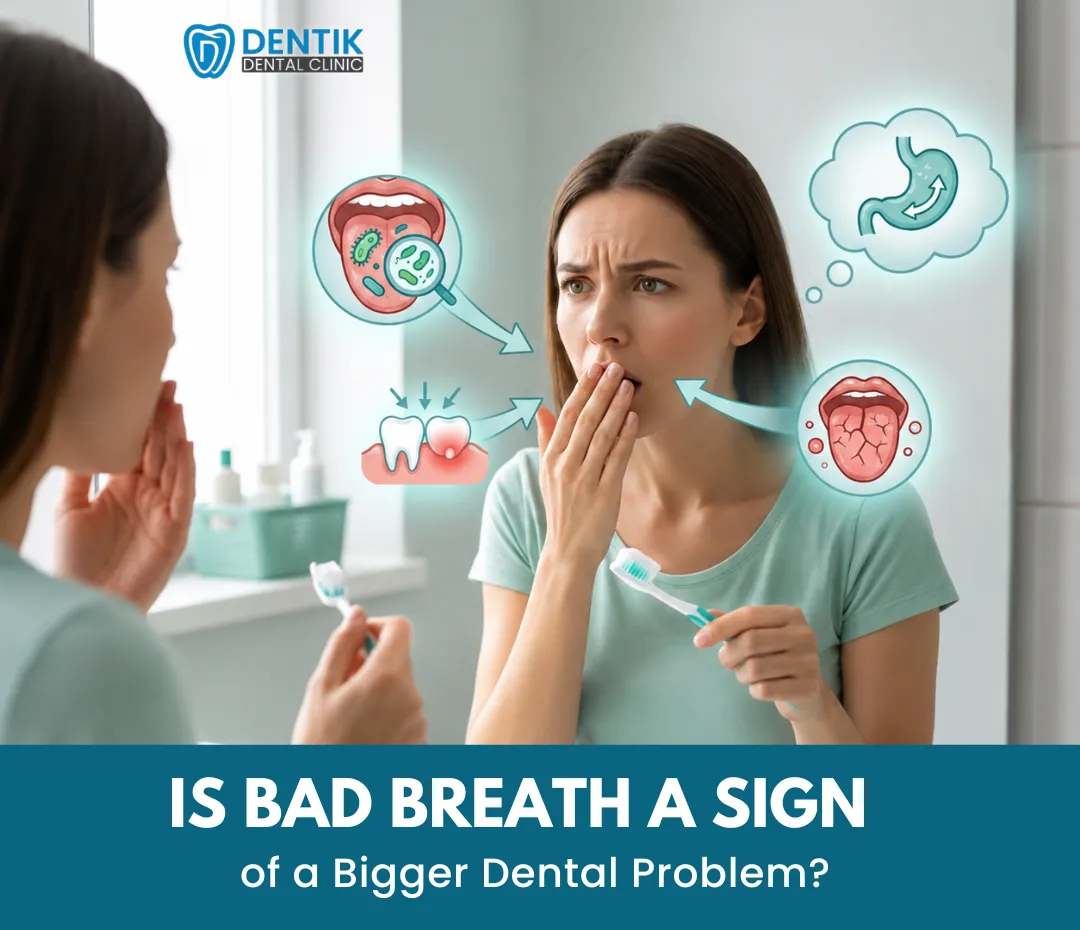
Bad breath is usually caused by bacteria that accumulate inside the mouth. These bacteria break down food particles and release sulfur compounds responsible for unpleasant odors.
Common causes include:
- Poor oral hygiene
- Gum disease
- Tooth decay
- Dry mouth
- Tongue bacteria
- Food trapped between teeth
- Dental infections
- Smoking and tobacco use
While mouthwash may temporarily mask the odor, it rarely addresses the underlying cause.
When Bad Breath Becomes a Warning Sign
Persistent bad breath can indicate more serious dental conditions that require professional evaluation.
These include:
Gum Disease
One of the most common causes of chronic bad breath is gum disease. Plaque buildup allows bacteria to grow beneath the gums, producing foul-smelling toxins.
Early signs include:
- Bleeding gums
- Swollen gums
- Gum tenderness
- Persistent bad breath
Ignoring gum disease can eventually lead to tooth loss.
Tooth Decay
Cavities create spaces where bacteria multiply rapidly. As decay progresses, unpleasant odors become stronger.
If left untreated, tooth decay may reach the dental pulp, requiring advanced treatment.
If you’re experiencing severe tooth pain along with bad breath, read our guide on:
👉 7 Warning Signs You Need Root Canal Treatment Before the Pain Gets Worse
Dry Mouth (Xerostomia)
Saliva naturally cleans your mouth.
When saliva production decreases:
- bacteria multiply faster
- food particles remain longer
- unpleasant odors develop
Dry mouth may occur due to:
- medications
- dehydration
- mouth breathing
- certain medical conditions
Wisdom Tooth Infection
Partially erupted wisdom teeth often trap food and bacteria.
Symptoms include:
- swollen gums
- bad breath
- pain while chewing
- difficulty opening the mouth
Professional evaluation is recommended before infection worsens.
Oral Infections
Dental abscesses and infected gums can produce extremely unpleasant odors.
Common symptoms include:
- swelling
- pus
- fever
- severe tooth pain
- persistent bad taste
These require immediate dental attention.
Can Stomach Problems Cause Bad Breath?
Many people believe bad breath always comes from the stomach.
In reality, research shows that nearly 90% of persistent bad breath originates inside the mouth, not the digestive system.
Only a small percentage is related to gastrointestinal disorders.
That is why visiting an experienced dentist should be your first step.
Everyday Habits That Make Bad Breath Worse
Several daily habits contribute to chronic halitosis.
These include:
- Skipping brushing before bed
- Not cleaning the tongue
- Smoking
- Drinking less water
- Excessive coffee consumption
- High sugar intake
- Ignoring routine dental cleanings
Small lifestyle changes combined with professional care can make a significant difference.
How Dentists Diagnose the Cause
When you visit Dentik Dental Clinic, the examination goes beyond simply checking your teeth.
Our dentists evaluate:
- Gum health
- Tooth decay
- Oral infections
- Tongue coating
- Existing restorations
- Saliva flow
- Oral lesions
Patients looking for a trusted dental clinic in Kanakapura Road receive a comprehensive examination that identifies the exact cause of persistent bad breath instead of simply treating the symptoms.
Professional Treatments for Chronic Bad Breath
Treatment depends on the underlying cause.
Your personalized treatment plan may include:
Professional Dental Cleaning
Removes plaque and tartar that brushing cannot eliminate.
Gum Disease Treatment
Deep cleaning and periodontal therapy help remove harmful bacteria below the gum line.
Cavity Treatment
Restoring decayed teeth prevents bacterial buildup.
Root Canal Therapy
If infection reaches the tooth pulp, root canal treatment may be necessary.
Learn more here:
👉 Warning Signs You Need Root Canal Treatment
Wisdom Tooth Evaluation
Removing infected wisdom teeth can eliminate recurring bad breath caused by trapped bacteria.
Tips to Keep Your Breath Fresh
Simple daily habits can help maintain fresh breath:
✔ Brush twice daily
✔ Floss every day
✔ Clean your tongue
✔ Drink enough water
✔ Visit your dentist every six months
✔ Replace your toothbrush every three months
✔ Avoid tobacco products
✔ Reduce sugary foods
When Should You See a Dentist?
Schedule a dental visit if your bad breath:
- lasts for more than two weeks
- returns frequently
- is accompanied by bleeding gums
- causes tooth pain
- is associated with swelling
- persists despite good oral hygiene
Early diagnosis prevents more complex dental problems.
Why Choose Dentik Dental Clinic?
Patients searching for the best dentist near me choose Dentik Dental Clinic because we combine advanced diagnostics, personalized treatment planning, and compassionate care in a modern environment.
Whether you need preventive dentistry, gum care, restorative treatment, or a consultation with an experienced dental professional, our team is committed to helping you achieve lasting oral health and renewed confidence.
Frequently Asked Questions
Why does my breath still smell after brushing?
Persistent bad breath is often caused by gum disease, cavities, tongue bacteria, or dry mouth rather than poor brushing alone.
Can mouthwash permanently cure bad breath?
No. Mouthwash only masks the odor temporarily. Treating the underlying dental issue provides long-term relief.
Should I see a dentist or doctor for bad breath?
Since most chronic bad breath originates in the mouth, it’s best to consult a dentist first. If no dental cause is found, your dentist may recommend further medical evaluation.
Is bad breath always caused by poor oral hygiene?
No. Gum disease, infections, dry mouth, wisdom teeth, and certain medical conditions can also contribute.
Conclusion
Persistent bad breath is more than a cosmetic concern—it can be an early warning sign of underlying oral health problems. Rather than relying on temporary solutions like mints or mouthwash, identifying and treating the root cause is the key to long-term freshness and better oral health. If you’ve noticed ongoing bad breath despite maintaining good oral hygiene, don’t ignore it. A professional dental evaluation can help detect issues early and prevent more serious complications.
At Dentik Dental Clinic, we’re committed to helping you achieve a healthier mouth and fresher breath through personalized, evidence-based dental care.
Book your appointment today and let our experienced team help you smile with confidence.